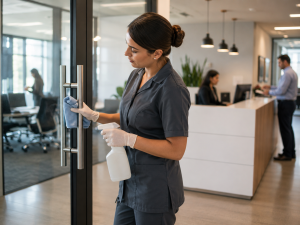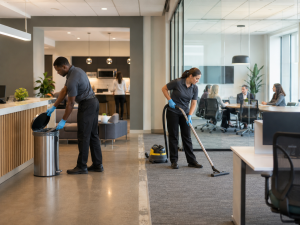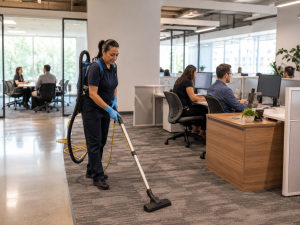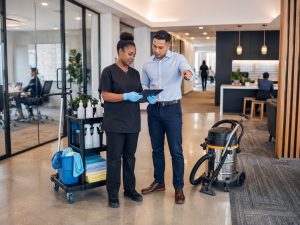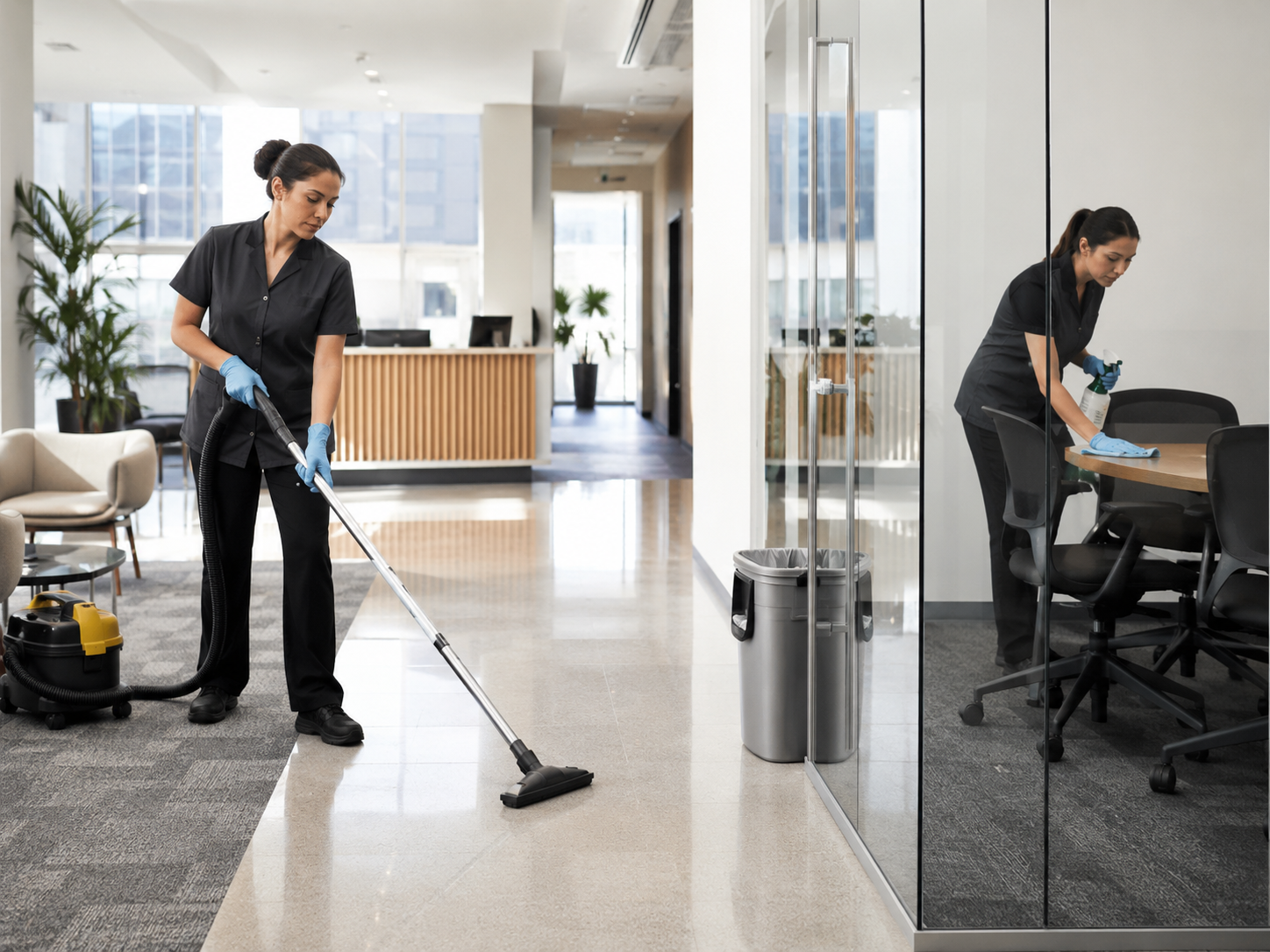
There is no single cleaning frequency that works for every commercial property. The appropriate schedule depends on how many people use the building, which spaces receive the most activity, how long the business operates, and how quickly visible cleaning concerns develop. Professional commercial cleaning services in McKinney, TX, can be arranged around actual workplace conditions rather than a generic routine.
A small office with limited visitor traffic may remain presentable with weekly service. A busier customer-facing property may need several visits per week or daily attention to its most frequently used areas. The goal is not automatically to select the most frequent option. It is to choose a service level that keeps the workplace maintained between visits without assigning unnecessary attention to low-use rooms.
Businesses should consider employee attendance, customer activity, restroom use, shared spaces, flooring, operating hours, and waste volume when determining how often professional cleaning is needed.
Cleaning Frequency Should Match Building Use
The first step in selecting a cleaning frequency is understanding how people use the property during normal operations.
A workplace with a small team, limited appointments, and few common areas will usually accumulate less waste, floor debris, and surface residue than a property with steady customer traffic and a larger on-site workforce.
The number of people using the building can affect how quickly:
- Waste containers fill
- Restroom supplies run low
- Floors collect tracked-in debris
- Entrance glass develops fingerprints
- Breakrooms collect crumbs and spills
- Shared surfaces begin looking untidy
Operating hours also affect cleaning needs. A workplace open for extended hours generally experiences more activity between professional visits than a location operating on a shorter schedule.
The entire building does not necessarily need the same level of attention. Entrances, restrooms, kitchens, breakrooms, and customer-facing spaces may show signs of use before private offices or storage rooms do.
This is why cleaning frequency should be based on the property’s busiest areas rather than its least-used rooms.
When Daily Commercial Cleaning May Be Appropriate
Daily professional cleaning may be appropriate for commercial properties with high employee attendance, steady customer traffic, heavily used restrooms, several shared areas, or long operating hours.
Businesses that host frequent meetings, appointments, presentations, or walk-in visitors may also benefit from daily service. These workplaces need their customer-facing areas to remain presentable throughout the workweek rather than only after one scheduled cleaning.
Daily service is more likely to be suitable when:
- Restrooms receive continuous use
- Waste containers fill within one business day
- Entrance areas collect visible debris quickly
- Food is regularly prepared or eaten on-site
- Customers use waiting rooms or shared facilities
- Several employees share workstations or equipment
- The property operates early, late, or across multiple shifts
Daily service does not mean every possible cleaning responsibility must be completed during every visit. The most visible and frequently used areas can receive recurring attention, while less urgent work is handled separately.
This distinction helps keep daily cleaning practical. It also prevents lower-priority rooms from receiving unnecessary attention while restrooms, entrances, floors, and shared spaces require more immediate care.
When Several Visits Per Week May Be Enough
Many commercial buildings need more than weekly cleaning but do not require service every day.
Two or three visits per week may work well for offices with moderate employee attendance, limited customer traffic, and shared areas that remain manageable between visits.
This frequency can provide enough consistency to prevent long gaps without scheduling service on days when little cleaning is needed.
Several visits per week may be appropriate when:
- Restrooms remain supplied and presentable between services
- Waste containers do not overflow
- Floors remain acceptable for more than one day
- Customer traffic is steady but not heavy
- Shared spaces do not accumulate significant daily mess
- Employees maintain their individual work areas responsibly
The spacing of those visits matters. A business may benefit from service on alternating weekdays so the building does not go several consecutive operating days without attention.
Another property may need cleaning before its busiest customer day or after a recurring period of heavy workplace activity.
Professional office cleaning services can be discussed around business hours, access requirements, customer activity, and the way employees use the property.
When Weekly Commercial Cleaning Can Work
Weekly professional cleaning may be suitable for smaller workplaces with limited staff, low visitor traffic, few shared spaces, and shorter operating hours.
A business using weekly service should still remain reasonably clean and comfortable throughout the week. Employees may need to manage immediate spills, personal waste, food containers, and basic tidiness between visits, but recurring facility cleaning should not regularly fall on staff members.
Weekly service may be sufficient when:
- Only a small number of people work on-site
- Customers rarely enter the property
- Restrooms receive light use
- Waste volume remains low
- Food preparation is limited
- Floors remain presentable between visits
- Few rooms are shared by multiple employees
The condition of the workplace before the next scheduled service is the best indicator of whether weekly cleaning is working.
If restrooms develop odors, waste containers fill early, floors look neglected, or employees repeatedly complete facility-wide cleaning tasks, weekly service may no longer match the building’s needs.
High-Traffic Areas May Determine the Schedule
Cleaning frequency should be based on the spaces that become untidy first, not simply the overall size of the property. Entrances and reception areas may collect debris and fingerprints quickly, while restrooms can show service gaps through low supplies, accumulating waste, visible residue, or odors.
Breakrooms and kitchens may need additional attention because food, drinks, shared appliances, and waste can create mess and odors. Conference rooms and shared workspaces should be scheduled according to how often they are used. A busy customer-facing room will generally need more attention than a private office or rarely used meeting room.
Flooring Can Affect How Often Cleaning Is Needed
Flooring can strongly affect how clean a commercial building appears. Entrance areas may collect dirt, leaves, moisture, and outdoor debris, while hard floors can show footprints and spills quickly. Carpet may hide some debris temporarily but still needs regular vacuuming.
Floor-cleaning frequency should reflect foot traffic, flooring material, entrance mat placement, customer visibility, weather-related debris, and the frequency of spills. If floors look dirty well before the next visit, the existing service frequency may not be sufficient.
Periodic floor treatments should be scheduled separately from routine cleaning.
Restroom Use Is a Key Frequency Indicator
Restroom activity can determine the cleaning needs of the entire workplace.
A property may remain orderly in most rooms but still create a poor experience when restroom supplies run out, waste accumulates, or fixtures and floors no longer appear maintained.
Businesses should consider the number of employees and visitors using the facilities, the number of available restrooms, operating hours, supply consumption, and how quickly visible concerns develop.
A lightly used employee restroom may remain presentable between scheduled visits. A restroom serving a larger workforce or steady customer traffic may require daily cleaning or additional monitoring during business hours.
Professional cleaning and internal response procedures serve different purposes. A provider arriving after closing cannot address an unexpected midday spill or empty dispenser unless daytime service has been arranged.
Businesses therefore need a cleaning frequency that manages recurring care while ensuring immediate issues can still be reported and addressed during normal operations.
Business Changes May Require a Frequency Adjustment
A cleaning frequency should not remain unchanged simply because it worked when service began.
Commercial activity can change throughout the year. Staffing increases, extended operating hours, special events, seasonal customer demand, renovations, and changes in on-site attendance can all affect how quickly the building needs attention.
A review may be appropriate when:
- More employees begin working on-site
- Customer traffic increases
- Operating hours are extended
- Waste accumulates before the next visit
- Restroom supplies run out more quickly
- Floors look untidy during business hours
- New shared spaces are introduced
- Complaints become more frequent
Temporary changes do not always require a permanent increase. A business may need extra service before or after a major event without changing its normal routine.
Long-term operational changes should be reflected in the regular cleaning frequency. Businesses can also review Tailor Maid Clean’s service area when considering ongoing support for a McKinney property.
Signs Cleaning Is Not Scheduled Often Enough
Businesses do not need to wait for serious complaints before reconsidering their cleaning frequency.
Common warning signs include:
- Waste containers filling before the next visit
- Restrooms looking neglected during business hours
- Persistent odors in shared areas
- Visible dust returning quickly
- Floor debris becoming noticeable between services
- Employees regularly completing recurring cleaning duties
- Managers arranging last-minute cleaning
- Customer-facing areas appearing inconsistent
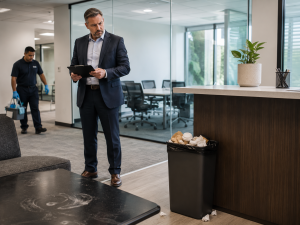
One isolated issue does not always justify a permanent schedule change. A spill, unusually busy day, or special event can temporarily increase cleaning needs.
Repeated problems are more meaningful. When the same areas consistently fall below the expected standard before the next service, the frequency may need to be adjusted.
More Frequent Service Is Not Always Necessary
Increasing the number of visits is not automatically the best solution.
Some commercial properties may be assigning frequent service to rooms that receive little use. Empty offices, storage areas, and low-traffic spaces may not need the same attention as restrooms, entrances, kitchens, and active shared rooms.
The goal is to establish enough service to keep priority areas maintained without paying for unnecessary repetition.
A cleaning frequency is working when the building remains presentable between visits, employees are not regularly taking on facility-wide cleaning duties, and customer-facing spaces continue supporting normal business operations.
Businesses that need additional background can explore Tailor Maid Clean’s commercial cleaning articles or review available services through the Tailor Maid Clean homepage.
Request a Customized Commercial Cleaning Estimate
Tailor Maid Clean can discuss employee attendance, customer traffic, restroom use, operating hours, shared spaces, flooring, and current cleaning concerns with McKinney businesses.
Request a Free Estimate to discuss whether daily, several-times-per-week, or weekly commercial cleaning may be appropriate for your workplace.
Frequently Asked Questions
Does every commercial building need daily professional cleaning?
No. Daily cleaning may be appropriate for busy workplaces with high employee attendance, regular customer traffic, frequently used restrooms, and several shared spaces. Smaller or lower-traffic workplaces may be maintained with several visits per week or carefully planned weekly service.
What areas of a business should be cleaned most frequently?
Entrances, restrooms, breakrooms, kitchens, shared workspaces, and customer-facing rooms often require the most frequent attention. The exact priorities should be based on how employees and visitors use the building.
Can a business change its cleaning frequency after service begins?
Yes. Cleaning frequency should be reviewed when staffing, operating hours, visitor traffic, facility layout, or workplace use changes. Service can be adjusted when recurring concerns develop or certain spaces no longer require the same level of attention.
How often should a McKinney commercial property be cleaned?
The appropriate frequency depends on employee attendance, customer traffic, restroom use, operating hours, flooring, shared spaces, and workplace expectations. Depending on those conditions, daily, several-times-per-week, or weekly service may be practical.